Tokenization's Role in Cutting Costs for Recurring Mobile Billing
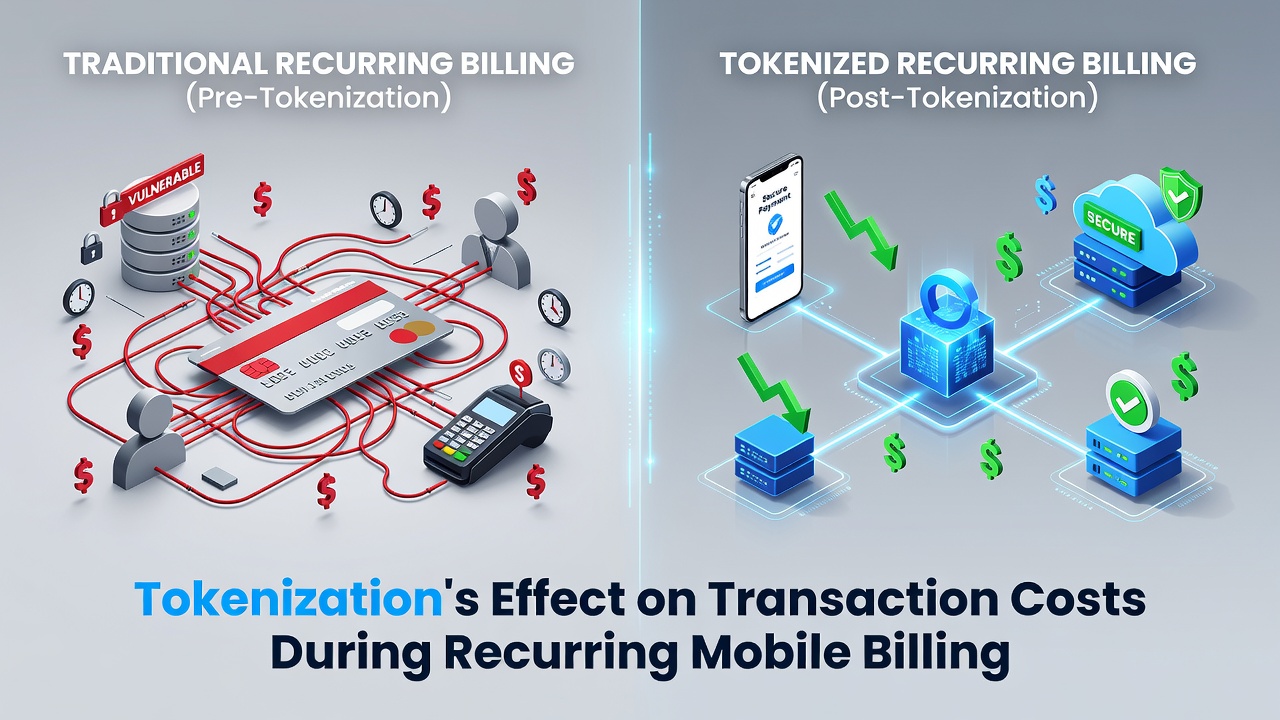
Tokenization replaces sensitive card details with unique tokens during recurring mobile billing processes, and this substitution directly influences transaction expenses by limiting exposure to data breaches while streamlining compliance requirements. Research from financial institutions shows that merchants handling subscriptions through mobile apps experience measurable reductions in fraud-related losses once tokenization becomes standard practice, because tokens hold no value outside the specific payment ecosystem they serve. Observers note that recurring charges, which often run monthly or weekly on smartphones, benefit especially since repeated transmissions of actual card numbers create repeated vulnerabilities that drive up insurance and security overheads.
Understanding Tokenization Mechanics in Mobile Environments
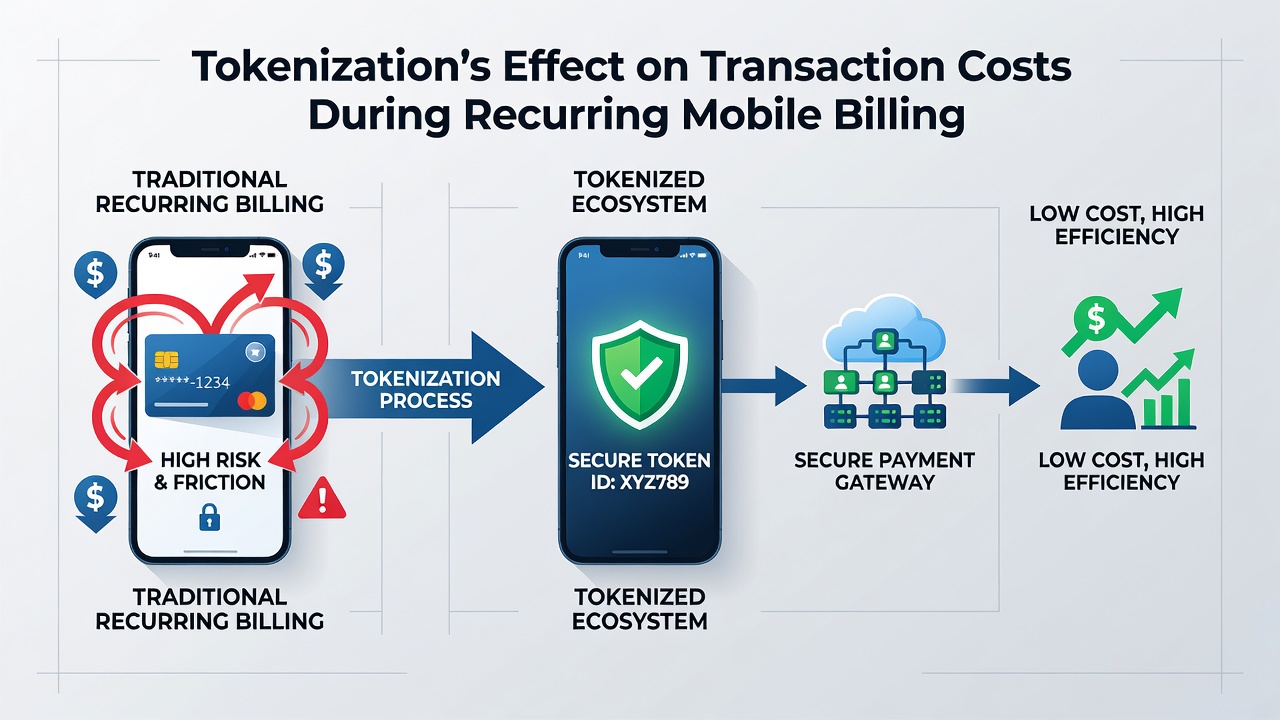
Tokenization generates a random string that maps back to original payment credentials through a secure vault managed by processors or banks, and during mobile billing cycles this mapping occurs without exposing full card data to the app or merchant server. Data indicates that systems using this method cut processing fees tied to chargebacks because fraudulent attempts fail when tokens cannot be repurposed across different channels or merchants. Those who've studied payment flows point out that mobile recurring setups involve frequent small-value transactions, where even minor fraud rates compound quickly, yet tokenization isolates each billing event and thereby contains potential damage.
Direct Effects on Transaction Expenses
Costs associated with PCI DSS compliance drop substantially under tokenization because merchants store fewer sensitive elements and therefore face narrower audit scopes during annual reviews. Figures from industry reports reveal that companies managing mobile subscriptions report average savings of 20 to 30 percent on security infrastructure once tokens replace stored card numbers, since the risk profile shifts away from holding primary account data. And while initial integration requires investment in token service providers, the ongoing reduction in breach remediation expenses and lower interchange rates for authenticated recurring payments offset those upfront outlays within the first year for high-volume operators.
Regional Data and Compliance Shifts
According to analyses published by the Federal Reserve, tokenization adoption in North American mobile billing platforms correlates with fewer regulatory penalties tied to data handling, because tokens fall outside the scope of certain consumer data protection rules. In European markets, similar patterns emerge from European Central Bank reviews, where recurring payment schemes using tokenized credentials show reduced operational friction during cross-border transactions. Observers note that these efficiencies arise because tokens enable seamless authentication without repeated entry of card details, which lowers both customer friction and the support costs tied to failed billing attempts.
Impact on Fraud Prevention and Chargeback Volumes
Recurring mobile billing faces elevated fraud risks from stored credentials that attackers target through app vulnerabilities, yet tokenization limits usable data even if a device is compromised. Studies from research institutions find that platforms implementing tokenization see chargeback rates decline by up to 40 percent in subscription models, because issuers recognize tokenized transactions as lower risk and apply lighter verification layers. This reduction translates into direct savings on dispute resolution fees and preserves merchant relationships with acquiring banks that might otherwise impose higher reserves or penalties after repeated incidents.
Operational Efficiency Gains for Merchants
Merchants running recurring mobile billing through tokenized systems process renewals faster because authentication happens via network tokens rather than manual card entry or stored details that require extra encryption layers. Evidence suggests that these streamlined flows decrease declines caused by expired cards or outdated billing information, since token vaults can update credentials automatically without merchant intervention. People managing high-volume subscription services discover that fewer failed transactions mean less revenue leakage and reduced customer churn from billing interruptions.
Developments Expected by June 2026
By June 2026, projections from payment networks anticipate wider tokenization mandates for mobile recurring services, driven by evolving security standards that tie lower processing rates to tokenized flows. Industry data shows early adopters already preparing infrastructure upgrades to align with these shifts, which should further compress transaction costs as more issuers offer incentives for token-based recurring payments. What's notable is that these changes build on existing patterns where tokenized environments consistently demonstrate lower overall expense profiles compared with legacy card storage methods.
Conclusion
Tokenization alters the cost structure of recurring mobile billing by minimizing data exposure, trimming compliance burdens, and lowering fraud-driven losses across multiple transaction types. Research continues to track these effects as adoption grows, with evidence pointing to sustained financial advantages for merchants who integrate token services into their mobile billing infrastructure. Those monitoring payment trends expect continued refinement of token frameworks, which should sustain downward pressure on operational expenses tied to recurring charges.