The Interplay of Merchant Account Fees and Fraud Prevention in Recurring Mobile Payments
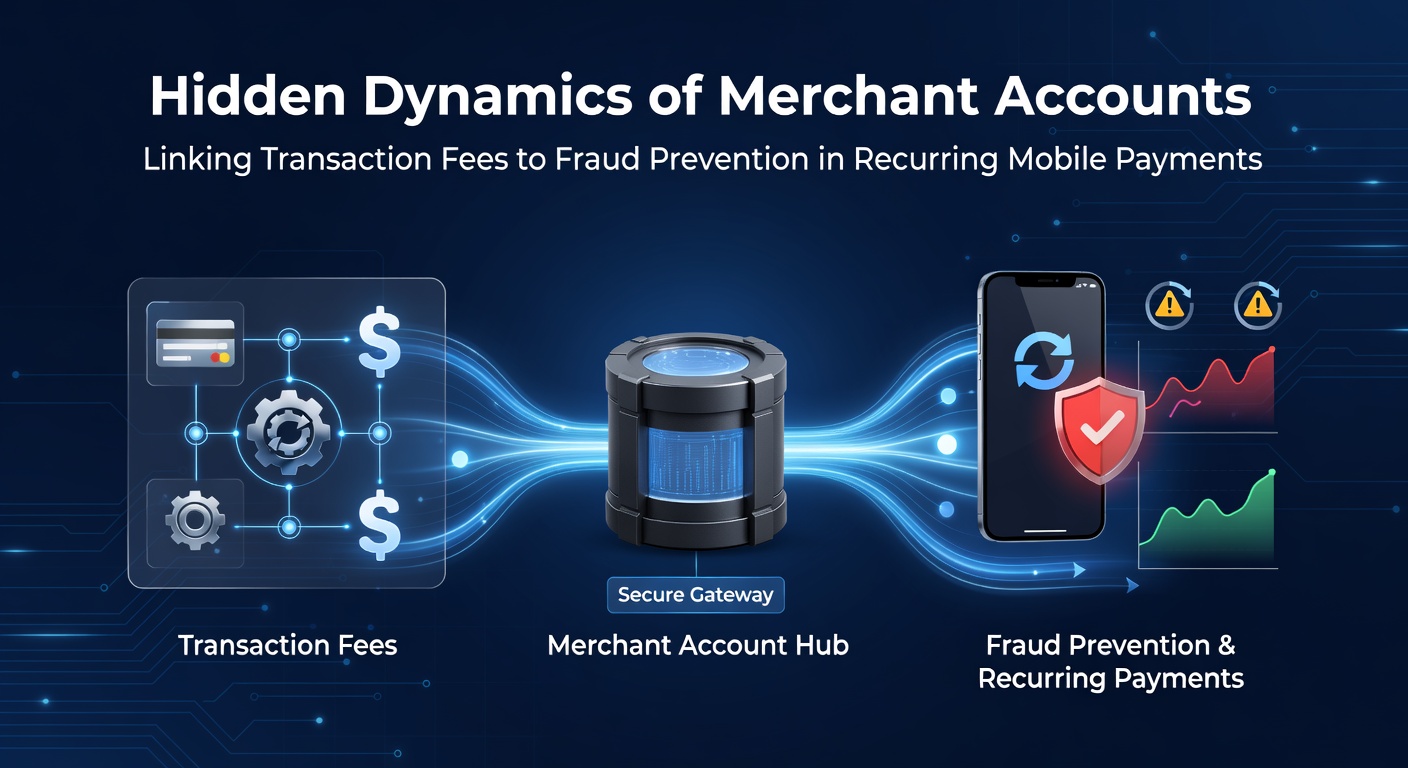
Merchant accounts process recurring mobile payments through layered fee structures that directly support fraud controls, and those structures shape how providers manage risk across subscription services and app-based billing cycles. Transaction fees typically combine interchange rates set by card networks, processor markups, and additional charges tied to security measures, while recurring transactions carry elevated exposure because they involve repeated authorizations over time without fresh card-present verification each month.
Payment processors adjust these fees based on the risk profile of recurring mobile flows, and higher volumes of subscription billing often trigger elevated rates that fund advanced monitoring tools. Data from industry reports shows that fraud losses in recurring payments reached notable levels in recent years, prompting providers to embed real-time screening systems funded partly through those fee adjustments. In May 2026 observers note continued growth in mobile subscription models, with providers refining fee schedules to balance cost recovery against the expense of maintaining compliance frameworks like PCI DSS requirements.
Fee Components in Recurring Mobile Merchant Accounts
Standard pricing breaks down into authorization fees charged per transaction, monthly account maintenance costs, and variable rates applied when fraud indicators appear during processing. Recurring mobile payments frequently incur extra assessments because they lack physical card checks, and processors offset this exposure by incorporating fraud prevention expenses into the overall fee model. Those costs cover services such as address verification systems, device fingerprinting, and behavioral analytics that flag unusual patterns before funds move.
Providers structure these fees so that accounts with robust prevention layers receive slightly lower base rates, whereas accounts without integrated controls face surcharges that reflect higher chargeback potential. Research from payment networks indicates that accounts using layered authentication tools experience reduced dispute rates, which in turn influences the pricing tiers offered to merchants handling mobile subscriptions.
Connecting Fees Directly to Fraud Controls
The linkage emerges because fraud prevention infrastructure requires ongoing investment, and transaction fees serve as the primary revenue stream supporting that infrastructure. When a merchant account processes recurring mobile payments, each successful authorization contributes a fraction of its fee toward maintaining databases that track known compromised cards and suspicious IP addresses across regions. This arrangement allows processors to deploy machine learning models that analyze transaction velocity, user behavior, adn geographic signals in real time.
Accounts that demonstrate consistent use of these tools often qualify for adjusted fee schedules, since lower fraud incidence reduces the financial burden on the processor. Figures from regulatory bodies such as the Federal Reserve reveal that effective screening correlates with measurable declines in unauthorized recurring charges, which processors then reflect in their pricing structures for compliant accounts.
Operational Patterns Observed in Mobile Subscription Billing
Recurring mobile transactions follow distinct patterns compared with one-time purchases, and processors monitor elements like billing cycle consistency and device continuity to detect anomalies. A sudden change in payment amount or a shift to a new mobile device can trigger additional verification steps funded through the account's fee allocation. Those steps might include step-up authentication requests or temporary holds while risk scores are recalculated.
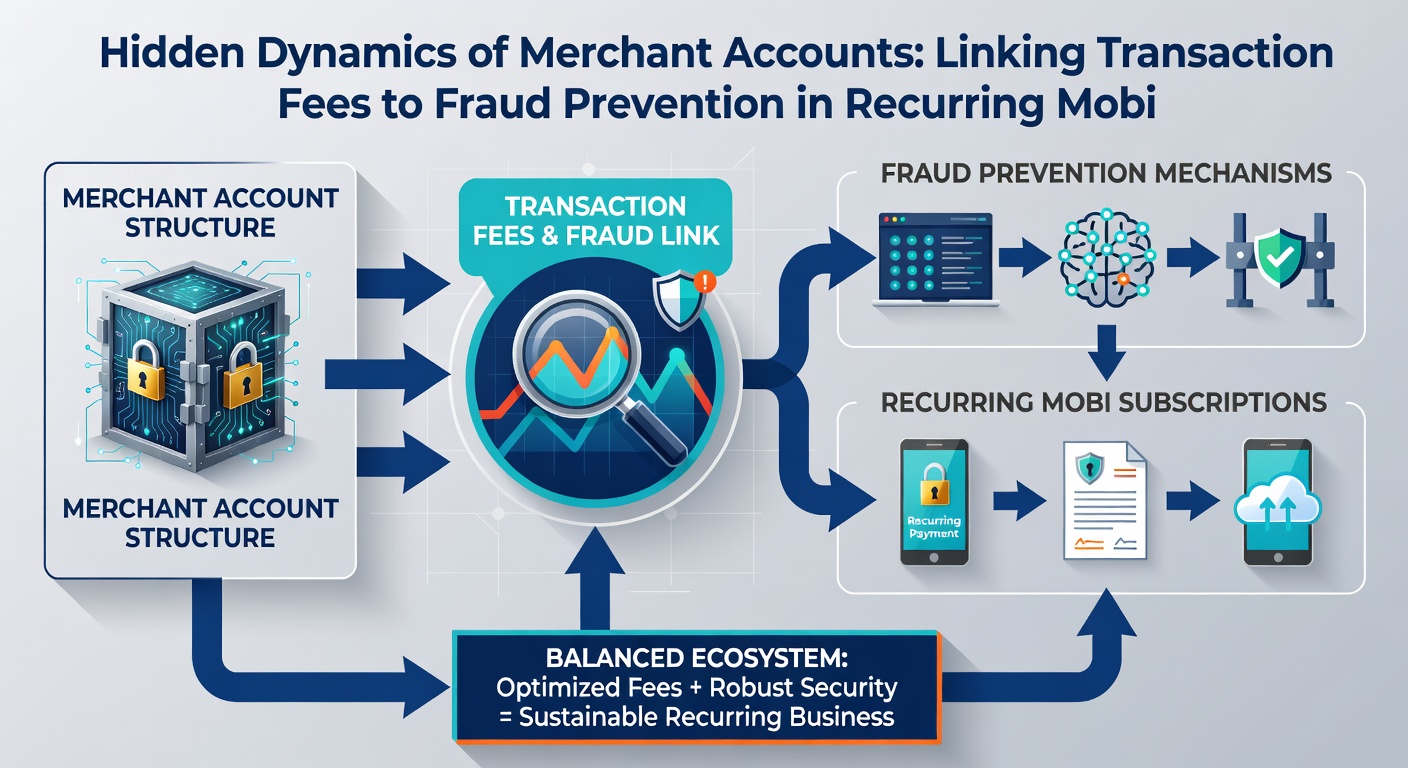
Processors also apply velocity checks that limit the number of recurring attempts from a single account within short windows, and these operational safeguards rely on the same fee-derived resources used for broader network monitoring. Accounts handling high volumes of international mobile subscriptions encounter additional geographic risk premiums folded into their fee calculations, reflecting the wider attack surface presented by cross-border recurring billing.
Industry Data and Compliance Influences
Compliance standards established by organizations like the PCI Security Standards Council require ongoing testing of fraud prevention measures, and the associated audit costs factor into the fee structures offered to merchants. Studies conducted by European Central Bank analysts highlight that regions enforcing stricter recurring payment rules show lower overall fraud ratios, which processors acknowledge when setting rates for accounts operating in those jurisdictions.
Merchants who integrate tokenization for recurring mobile payments reduce exposure to card data theft, and processors frequently reward such practices with incremental fee reductions because tokenization limits the value of stolen credentials. This dynamic creates an incentive structure where investments in prevention directly influence the total cost of processing recurring transactions over time.
Conclusion
The connection between merchant account fees and fraud prevention in recurring mobile payments operates through shared cost recovery mechanisms that align processor incentives with risk reduction outcomes. Fee structures fund the tools that detect anomalies, while effective prevention lowers the long-term expenses passed back to merchants through adjusted rates. As mobile subscription models continue expanding, these linkages remain central to how accounts maintain operational stability across billing cycles.