Regulatory Mandates and Their Direct Impact on Payment Processing Costs

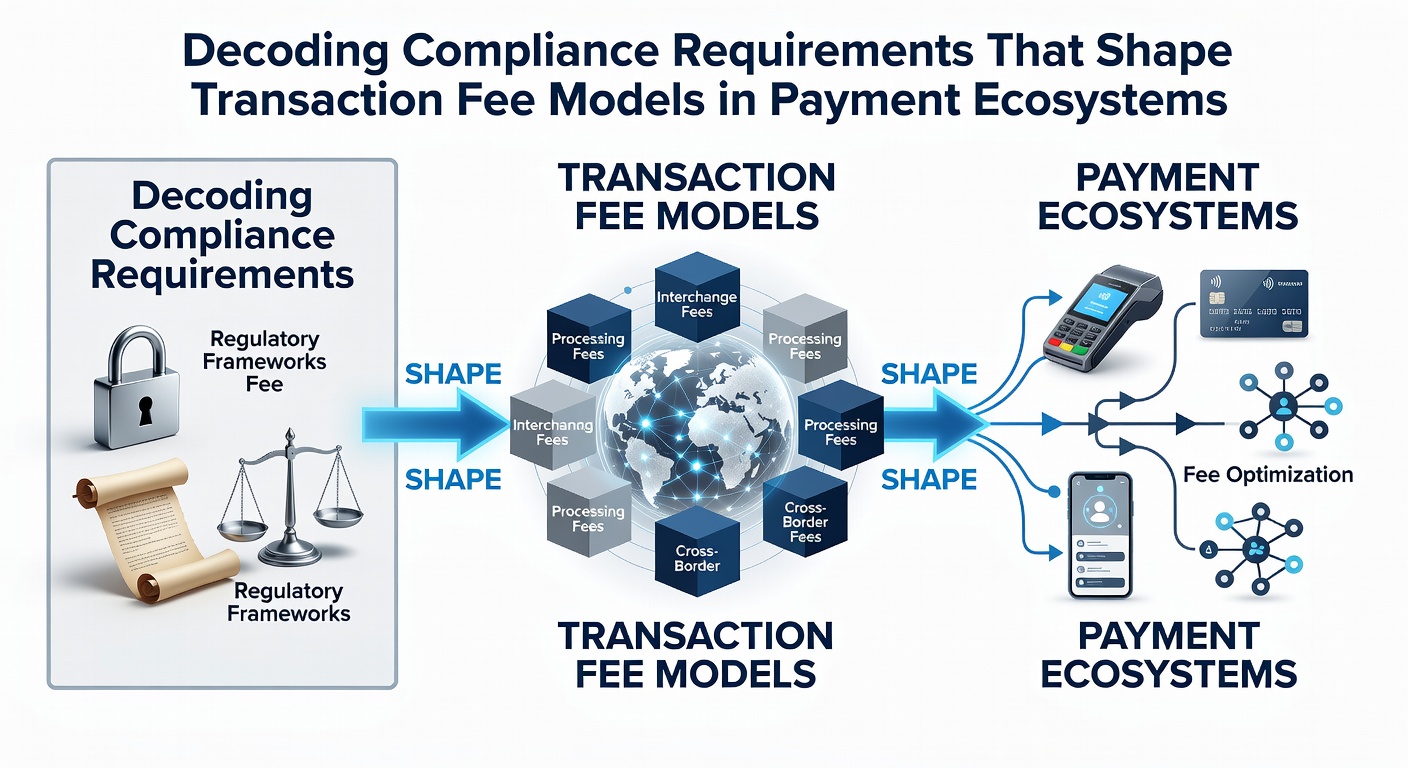
Payment ecosystems operate under layers of regulatory oversight that directly determine how transaction fees get calculated and distributed among processors, merchants, and financial institutions. These rules emerge from multiple jurisdictions and evolve over time, with several updates scheduled to take effect by May 2026 in key markets.
Core Compliance Frameworks and Fee Allocation
Data from central banking authorities shows that security standards like PCI DSS require ongoing investments in encryption, tokenization, and monitoring systems, which processors then recover through higher per-transaction charges. European Central Bank reports indicate these costs often appear as elevated merchant discount rates rather than separate line items. In parallel, data protection regulations such as GDPR impose strict handling requirements for payment information, prompting additional infrastructure spending that flows into fee models across the EU.
Interchange fee caps represent another major influence. The United States implemented restrictions under the Durbin Amendment that limit debit card interchange, while Australia's Reserve Bank of Australia maintains its own caps on credit and debit transactions. These caps force networks to adjust other fee components, including acquirer margins and network assessments, to maintain overall revenue. Observers note that such regulatory caps rarely eliminate costs but instead redistribute them across different participants in the transaction chain.
Regional Variations in Regulatory Pressure
Payment service providers operating across borders must navigate conflicting requirements simultaneously. Canada's Office of the Superintendent of Financial Institutions applies its own guidelines on operational resilience, which include mandatory stress testing and incident reporting that add administrative overhead. Meanwhile, Singapore's Monetary Authority has introduced rules around real-time payment rails that require new compliance tooling, with implementation timelines extending into 2026. These overlapping obligations create layered cost structures that vary significantly by region and transaction type.
Merchants processing high volumes of cross-border transactions encounter additional layers of scrutiny under anti-money laundering frameworks. Financial Action Task Force recommendations, adopted differently by each member country, require enhanced due diligence procedures that increase verification expenses. Processors typically pass portions of these costs forward through dynamic pricing models that adjust based on transaction risk profiles.
Emerging Standards and 2026 Timelines
By May 2026 several jurisdictions plan to enforce updated requirements around open banking interfaces and strong customer authentication. These changes mandate new API security measures and consent management systems that payment companies must build and maintain. Industry analyses suggest these investments will translate into modest increases in fixed monthly fees alongside per-transaction charges, particularly for smaller merchants who lack negotiating leverage.
Tokenization mandates present another growing expense category. Regulations in multiple regions now require or strongly encourage the replacement of sensitive card data with tokens at the point of capture. While this reduces long-term fraud exposure, it demands integration work between merchants, gateways, and issuers that appears in current fee schedules as network tokenization fees.
Fee Model Adaptations Across Provider Types
Larger acquirers absorb certain compliance costs internally through economies of scale, whereas smaller processors and independent sales organizations more often apply explicit surcharges or tiered pricing. Research from academic institutions tracking payment industry economics shows that these differences create competitive advantages for scale players while pressuring smaller entities to specialize in lower-risk merchant segments.
Subscription-based billing platforms face distinct challenges because recurring transactions trigger repeated compliance checks under various frameworks. This repetition multiplies certain verification costs over the customer lifecycle, leading some providers to implement minimum monthly billing thresholds or adjusted pricing tiers for recurring revenue streams.
Conclusion
Compliance requirements continue to reshape how transaction fees get structured throughout payment ecosystems. Regulatory developments scheduled through May 2026 will likely reinforce existing patterns where security, data protection, and consumer safeguards translate into measurable cost components passed along the value chain. Market participants who track these regulatory shifts gain clearer visibility into future fee trajectories across different transaction categories and geographic markets.