Merchant Account Fee Patterns Under Combined Fraud Controls and Recurring Mobile Payment Systems
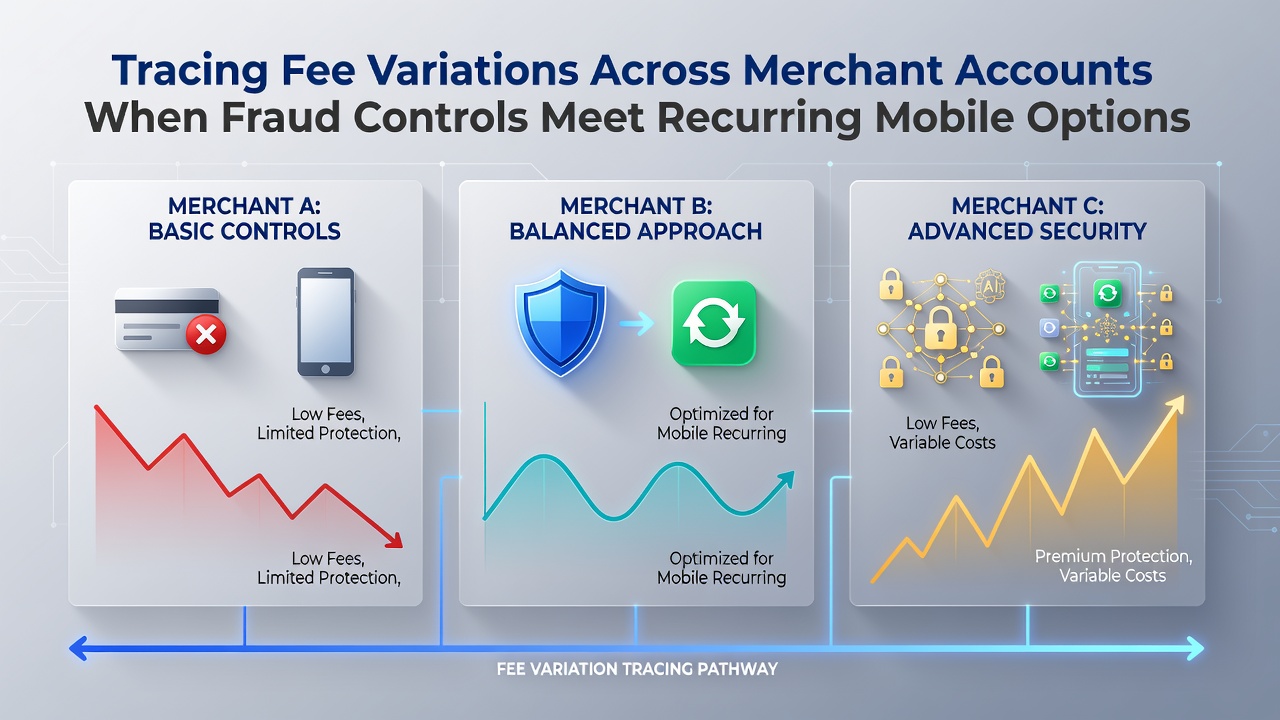
Merchant accounts handle transaction processing through networks that apply layered fees, and those fees change when fraud controls activate alongside recurring mobile payment setups. Data from payment processors shows base rates often start at 2.9 percent plus 30 cents per transaction, yet additional charges emerge once automated monitoring systems flag patterns common in subscription models delivered through mobile apps.
Core Fee Components in Standard Merchant Accounts
Interchange fees form the largest portion and these amounts vary by card type, transaction size, and risk category according to network rules updated annually. Acquirer fees and processor markups add fixed or percentage-based layers, while monthly account maintenance charges remain separate. When recurring mobile options enter the picture, processors frequently reclassify accounts because subscription billing generates predictable, high-volume activity that differs from one-time sales.
Payment industry reports indicate that mobile recurring transactions carry specific risk profiles, prompting some acquirers to apply tiered pricing that reflects elevated monitoring requirements. Those who've examined processor statements notice line items labeled as "recurring billing surcharges" or "mobile channel adjustments" that appear only after initial onboarding.
Fraud Control Mechanisms and Their Pricing Impact
Fraud detection tools rely on machine learning models that score each transaction in real time, and deployment of these tools often triggers supplemental fees. Processors pass along costs for address verification, card verification value checks, and velocity monitoring. When fraud controls intensify, accounts handling recurring mobile payments see fee increases because the combination of scheduled billing and device-based initiation raises the calculated risk score.
Research from the Federal Reserve Bank of San Francisco documents how enhanced authentication steps, including 3-D Secure implementations, add per-transaction costs ranging from one to five cents. Merchants operating subscription services through mobile platforms frequently absorb these increments because declining transactions disrupts revenue streams more than the added expense.
Intersection Points Between Fraud Systems and Mobile Recurring Options
The overlap creates distinct fee variations because recurring mobile transactions trigger repeated fraud screening cycles. A single subscription charge might pass through device fingerprinting, behavioral analytics, and geographic consistency checks, each carrying its own processing overhead. Observers note that accounts crossing certain volume thresholds in mobile recurring categories receive automatic re-evaluation, resulting in new fee schedules that reflect updated risk classifications.
What's interesting appears in case studies where merchants shifted from standard card-not-present processing to mobile-optimized recurring flows. Those transitions produced measurable shifts in average transaction costs, with some processors applying dynamic pricing that adjusts monthly based on fraud loss ratios. Data collected through mid-2026 shows continued refinement of these models as mobile payment adoption grows across regions.
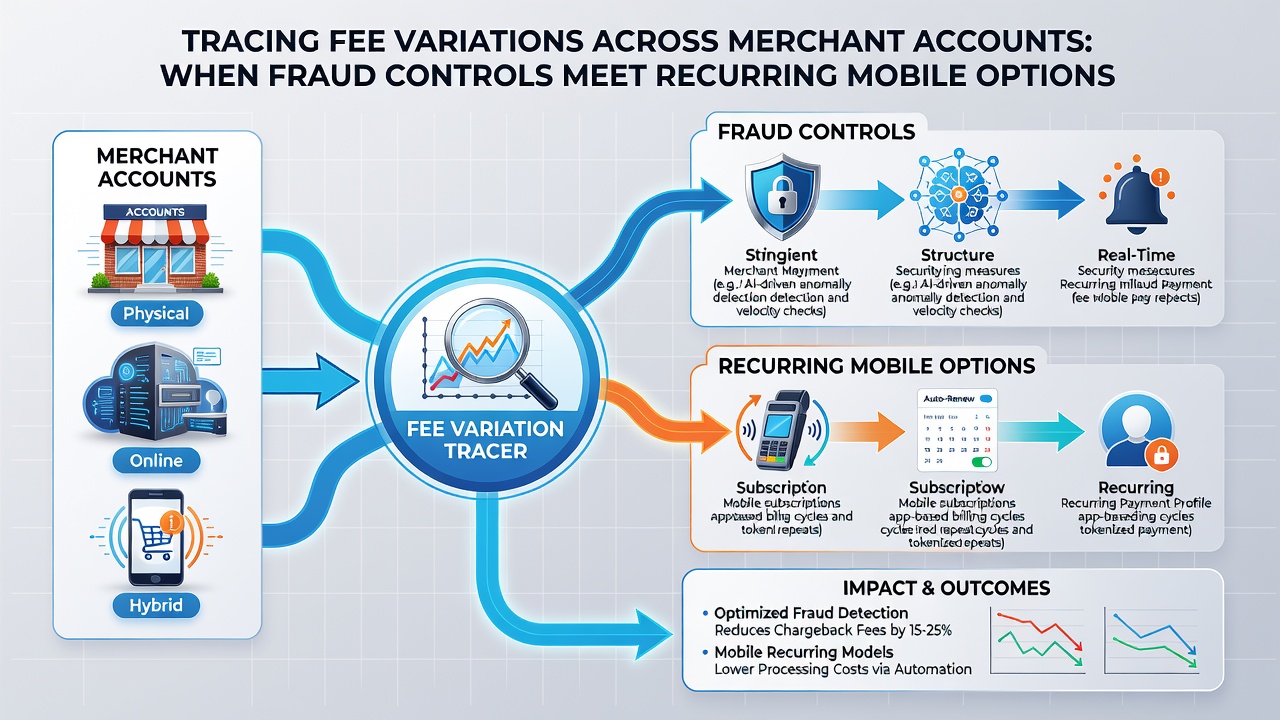
European Central Bank analyses of payment service directives highlight similar patterns in markets where strong customer authentication requirements intersect with subscription billing. Merchants report that fees tied to fraud prevention rise proportionally with the frequency of mobile-initiated renewals, particularly when cross-border elements appear in the transaction data.
Practical Tracing Methods for Fee Variations
Account holders track changes through detailed monthly statements that itemize each fee category. Reconciliation processes compare baseline rates against actual charges, revealing patterns linked to fraud score thresholds or mobile channel usage. Some processors supply dashboards that break down costs by transaction type, allowing identification of recurring mobile payments that incurred extra verification layers.
Industry organizations such as the Electronic Transactions Association publish guidelines that outline common fee structures and encourage merchants to request itemized explanations when discrepancies surface. Those who've implemented regular audits discover that small adjustments in fraud sensitivity settings can produce noticeable reductions in overall processing expenses without compromising security standards.
Regional and Regulatory Influences on Fee Structures
Different jurisdictions apply varying oversight to payment fees, and these rules affect how processors price combined fraud and recurring mobile services. In Canada, oversight from the Financial Consumer Agency influences transparency requirements around recurring billing disclosures. Australian regulators through the Australian Securities and Investments Commission monitor similar practices in subscription payment flows.
Academic studies from payment research centers at universities in multiple countries reveal that fee variations often correlate with local fraud incidence rates rather than uniform global pricing. Merchants operating across borders must therefore maintain separate account configurations to manage the distinct fee environments that arise when fraud controls meet mobile recurring options.
Conclusion
Tracing fee variations requires systematic review of processor statements alongside understanding how fraud detection layers respond to recurring mobile transaction patterns. Continued evolution of both security technologies and billing models will likely sustain these pricing dynamics through subsequent years. Merchants benefit from maintaining clear records and requesting detailed cost breakdowns to identify the precise points where fraud controls and mobile recurring options drive changes in merchant account expenses.