Examining Interconnections Among Processing Fees, Security Standards, and Subscription Models in Electronic Payment Environments

Electronic payment systems operate through multiple layers where processing fees interact directly with security requirements and subscription frameworks, creating dependencies that shape how businesses structure their operations. Data from industry reports indicate these elements influence transaction costs, compliance obligations, and revenue predictability in measurable ways.
Processing Fees and Their Components
Transaction processing fees typically include interchange rates set by card networks, acquirer margins, and additional charges for gateway services. These costs vary based on transaction volume, card type, and risk profile, with figures from the European Central Bank showing average merchant fees ranging between 0.5 and 3 percent across different regions as of 2025. Subscription-based payment platforms often bundle these fees into recurring charges, which alters how merchants calculate their net margins over time.
Security Standards in Payment Processing
Standards such as PCI DSS establish baseline requirements for data protection, encryption, and access controls that payment processors must follow. Compliance levels determine whether merchants face additional assessment costs or qualify for reduced liability in case of breaches. The PCI Security Standards Council maintains these guidelines, and updates occur periodically to address emerging threats in card-not-present environments.
Subscription Models and Recurring Payments
Subscription frameworks allow merchants to automate billing cycles for services, which introduces specific technical demands around tokenization and stored credentials. These models support predictable revenue streams while requiring processors to handle scheduled transactions with consistent security measures. Research from academic sources on fintech infrastructure shows that subscription services often integrate with payment gateways that enforce higher security tiers to manage recurring authorization risks.
Interconnections Among Fees, Security, and Subscriptions
Security standards directly affect processing fees because non-compliant merchants encounter elevated rates or restricted access to certain payment methods. Providers adjust pricing structures when additional authentication layers increase operational overhead. Subscription models amplify these effects since recurring transactions require sustained compliance monitoring, which can lead to tiered fee schedules based on certification status.
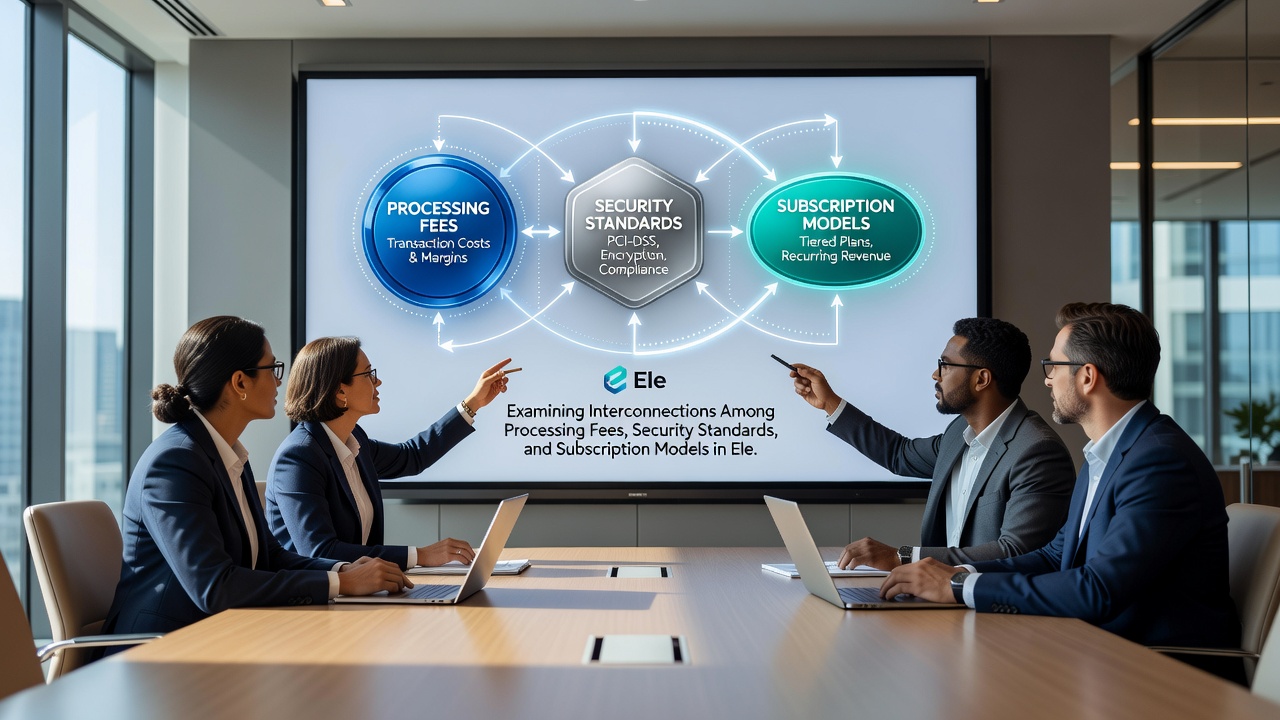
Merchants operating under subscription arrangements frequently encounter bundled service packages where security certifications influence the overall cost structure. Those who maintain Level 1 PCI compliance often access lower per-transaction rates compared to lower-volume operations that rely on self-assessment questionnaires. This relationship becomes evident when examining how processors calculate risk premiums tied to both transaction frequency and data protection measures.
Regional Variations and Regulatory Influences
Different jurisdictions apply distinct oversight mechanisms that shape these interconnections. Reports issued by regulatory bodies in Canada and Australia highlight how local security mandates interact with fee transparency rules, particularly for subscription services that cross borders. In July 2026, ongoing harmonization efforts among international standards bodies continue to influence how payment providers align their pricing with compliance expectations across markets.
Practical Implications for Payment Environments
Businesses that combine high-volume subscription processing with stringent security protocols typically negotiate customized fee arrangements that reflect their certification achievements. Observers note that tokenization requirements in recurring payment setups reduce certain fraud-related costs, which can offset portions of security investment. Data from trade association analyses demonstrate measurable differences in effective fee rates between merchants who integrate security upgrades early versus those who address them reactively.
Conclusion
The relationships among processing fees, security standards, and subscription models create a framework where changes in one area produce ripple effects across the others. Merchants and processors navigate these connections through ongoing adjustments to compliance practices and pricing agreements, with data continuing to document how these dynamics evolve in electronic payment environments.