Decoding Fraud Signals in Mobile Recurring Billing: Patterns Payment Processors Uncover
Decoding Fraud Signals in Mobile Recurring Billing: Patterns Payment Processors Uncover
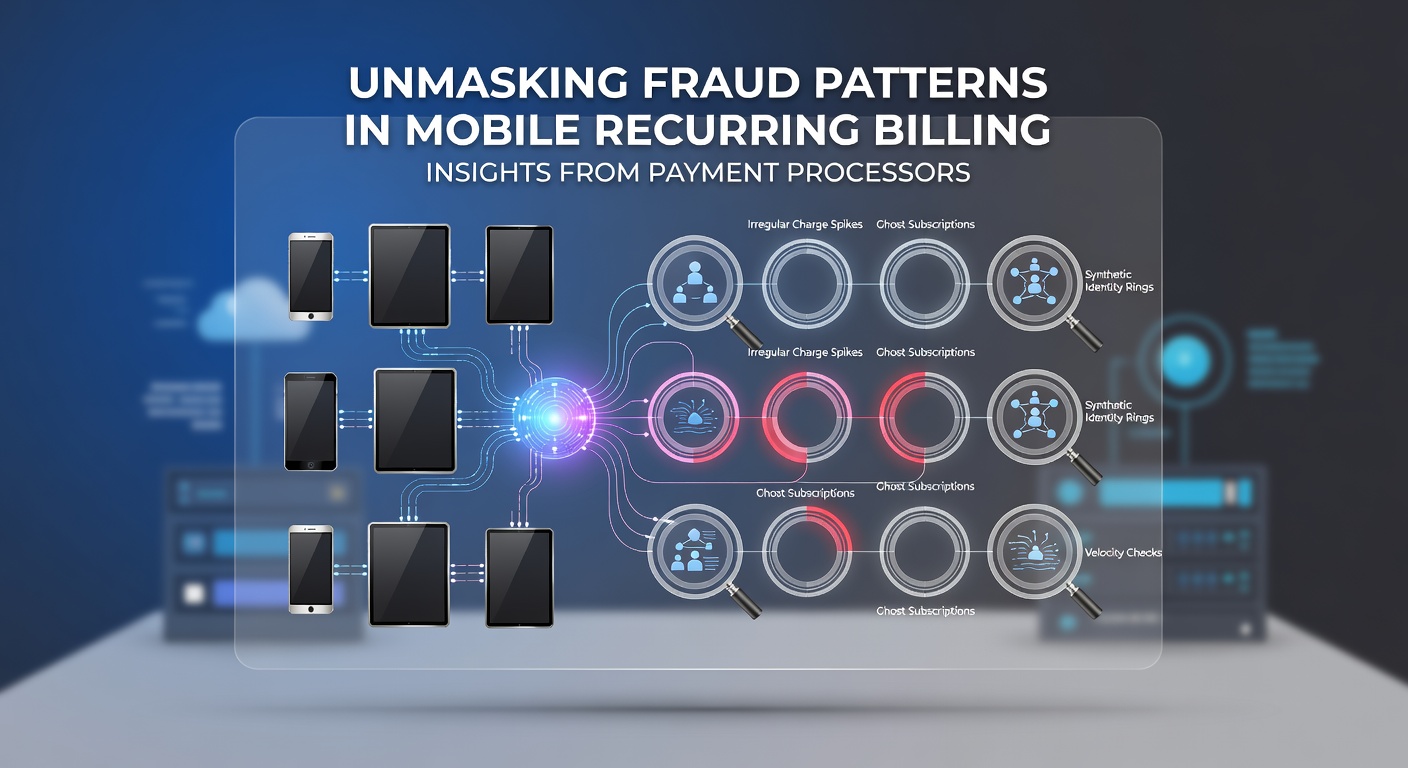
The Rise of Mobile Recurring Billing and Its Fraud Vulnerabilities
Mobile recurring billing has exploded in popularity, powering everything from streaming services to fitness apps, yet it also creates fertile ground for fraudsters who exploit the seamless, automated nature of these transactions. Processors like Stripe and Adyen report that subscription models now account for over 40% of mobile commerce volume, a figure that climbed steadily through 2025; but here's the thing, that convenience comes with hidden risks, as data from the Federal Trade Commission reveals complaints about unauthorized recurring charges surged by 25% last year alone. Experts who track these trends observe how fraudsters favor mobile channels because consumers often overlook small, frequent debits, allowing charges to pile up unnoticed until they hit triple digits.
And while legitimate businesses rely on this model for steady revenue—think gym memberships or premium app features—observers note that bad actors mimic these patterns, signing up with stolen cards or bots to siphon funds before vanishing. Turns out, payment processors sit at the frontline, analyzing billions of transactions daily to spot anomalies that merchants might miss, which is why their insights prove invaluable in decoding these schemes.
Signature Fraud Patterns Emerging in Mobile Subscriptions
Fraudsters don't reinvent the wheel each time; instead, they lean on repeatable tactics that processors flag through machine learning algorithms trained on vast datasets. One prevalent pattern involves "card testing," where attackers use stolen credentials to probe validity via low-value subscriptions, often under $1, before escalating to larger pulls—researchers at Australia's Competition and Consumer Commission documented this in their 2025 scam report, noting a 30% uptick in such probes targeting Australian mobile users. Processors counter this by monitoring velocity—too many tests from one IP in quick succession screams foul.
What's interesting surfaces in "friendly fraud," a subtler beast where customers dispute legitimate charges post-trial, claiming they forgot to cancel; data indicates this accounts for 70% of subscription chargebacks, per industry analyses, and it spikes around holidays when spending fogs memory. Yet processors like PayPal dissect these by cross-referencing user behavior, such as login locations mismatched with billing addresses, which often unmasks the pretense.
Then there's account takeover, where hackers snag session cookies from unsecured apps to hijack subscriptions and reroute funds; one case processors highlighted involved a fitness app losing $2 million in 2024 after attackers scaled this across thousands of dormant accounts. And don't forget synthetic identities—fake profiles blending real and bogus data to open clean billing streams—that evade traditional checks until spending patterns deviate wildly.
How Payment Processors Illuminate These Dark Patterns
Processors wield sophisticated tools beyond basic rules, deploying AI that learns from global transaction graphs to predict fraud in real time, often blocking 90% of attempts before they hit merchant accounts. Take network analysis: experts reveal how fraud rings operate like spiderwebs, with one device testing cards across multiple merchants in coordinated bursts; Adyen's 2025 report showed such clusters originating from data centers in Eastern Europe, prompting IP blacklists that adapt hourly.
But here's where it gets interesting—processors share anonymized data via consortia like the Global Payments Innovation Network, pooling insights so a pattern spotted in Brazil flags risks in Canada overnight. Figures from Visa's risk reports underscore this collaboration, with cross-border fraud dropping 15% after shared velocity caps limited rapid-fire signups. Observers who've studied processor dashboards note velocity thresholds vary by vertical: gaming apps see tighter limits due to impulse buys, whereas SaaS tolerates more because users iterate trials legitimately.
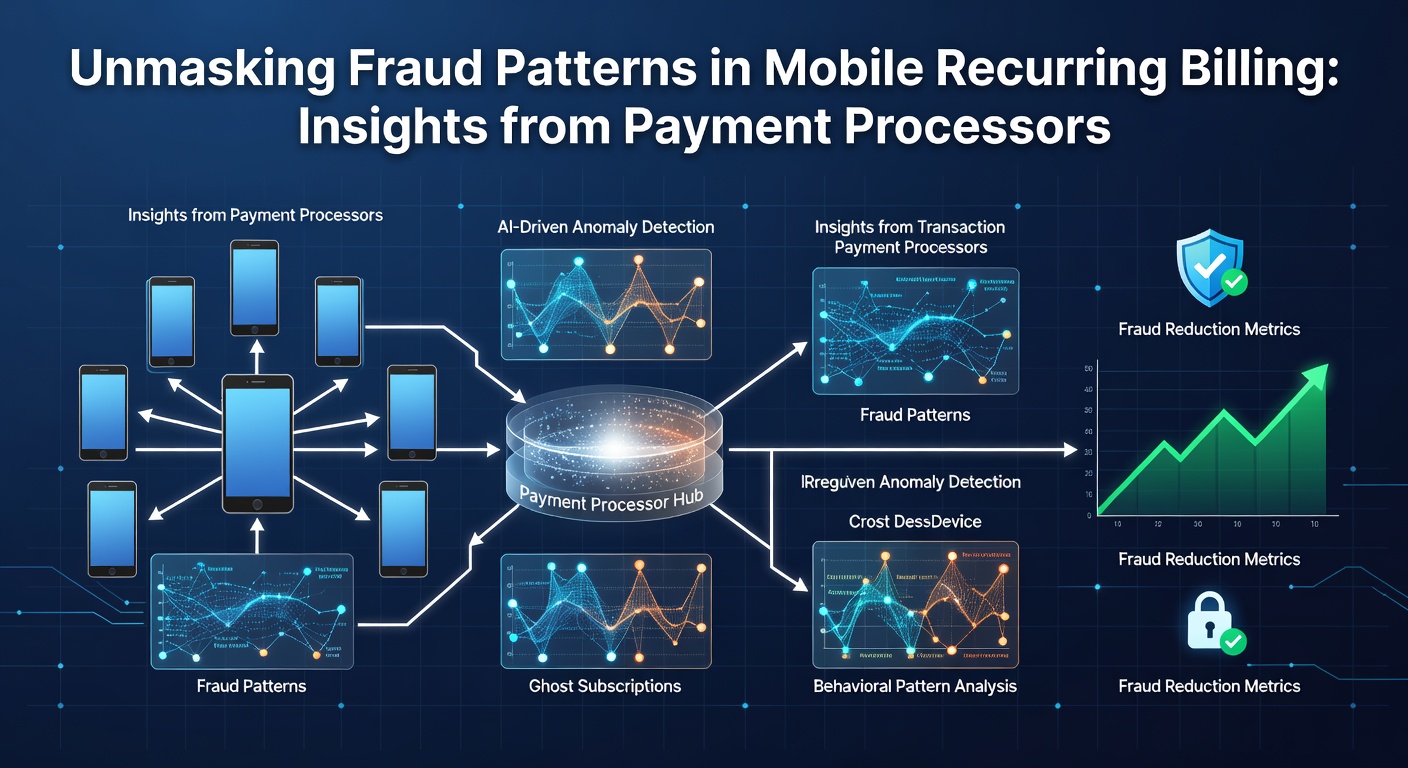
Geolocation mismatches provide another telltale: a subscription from Sydney billed to a Texas card, confirmed via carrier data, triggers holds; this proved crucial in dismantling a 2025 ring that laundered $5 million through Australian telco subscriptions. Processors layer this with device fingerprinting—browser traits, OS versions, even screen resolutions—to build unique IDs that persist across apps, catching serial abusers who swap SIMs but not hardware.
Real-World Case Studies: Lessons from Processor Interventions
Consider the 2024 takedown of a mobile gaming fraud operation; processors detected unnatural signup surges—10,000 accounts in 24 hours from identical VPNs—all initiating micro-subscriptions that flipped to max tiers post-validation, netting $1.8 million before velocity blocks and shared intel froze the network. One researcher who analyzed the aftermath pointed out how behavioral scoring flagged the lack of organic engagement, like zero gameplay before upgrades.
Another example unfolded in Europe, where a bogus meditation app racked up charges via trial funnels; Adyen's anomaly detection halted 85% of attempts by noting refund patterns mirroring disputes from prior scams, a signature etched in their global database. People who've reviewed these cases often discover that timing matters too—fraud peaks at month-end when card limits reset, or post-app store promotions that flood in bots.
And in a twist from early 2026, processors flagged a new wave targeting AI companion apps; subscriptions spiked from emulated devices (think cloud farms running Android instances), but fingerprint mismatches and absent push notifications exposed the fakes. By April 2026, as mobile wallets like Apple Pay dominate recurring pulls, processors rolled out token-binding enhancements, slashing friendly fraud by 20% in pilot programs since real tokens tie irremovably to devices.
Advanced Detection Strategies Processors Deploy Today
Beyond patterns, processors integrate biometrics where possible—facial scans or voice for high-value subs—but fallback to proxy signals like gait analysis from phone sensors, which fraudsters can't easily spoof. Machine learning models evolve too, retraining weekly on fresh data to adapt to morphing tactics; one study found these systems now predict 95% of ring activity from just three transactions.
Yet collaboration extends to merchants: processors push 3D Secure 2.0 frictionlessly for subs, gathering risk data without user drop-off, while SCA exemptions in the EU reward low-risk recurring flows. Turns out, this balance keeps approvals high—98% for vetted subs—while chargebacks plummet. Experts emphasize pre-authorization holds too, reserving funds at signup to deter testers who bail post-probe.
Looking ahead, quantum-resistant encryption looms as processors brace for computational leaps; by mid-2026, pilots test these against AI-driven attacks that brute-force weak tokens. And with 5G enabling microsecond latency, real-time graphing across ecosystems will render evasion near-impossible for sprawling rings.
Conclusion
Payment processors stand as vigilant gatekeepers in the mobile recurring billing arena, unmasking fraud through data-driven patterns that evolve yet remain predictable to those with the right lenses. From velocity spikes to synthetic ghosts, their insights not only stem losses—averaging $50 billion annually industry-wide—but also safeguard consumer trust in the subscriptions powering daily digital life. As threats adapt, particularly with AI's rise by April 2026, ongoing intel-sharing and tech upgrades ensure the ecosystem stays one step ahead, turning potential pitfalls into fortified streams of revenue.