Behind the Curtain: How Subscription Platforms Balance Credit Card Processing Fees Against PCI Rules in Recurring Mobile Transactions
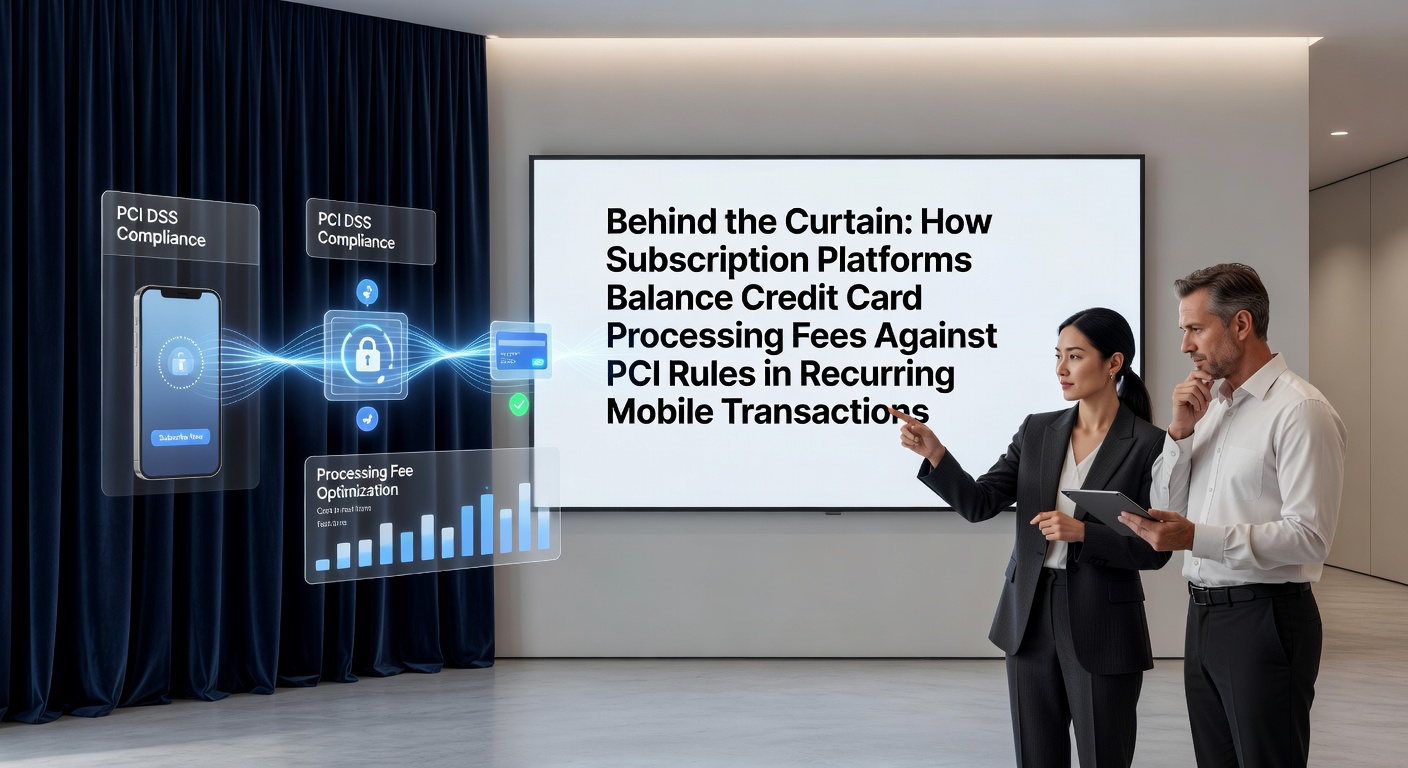
Subscription platforms handle recurring mobile transactions through a careful balancing act between credit card processing fees and PCI DSS compliance requirements, and this process involves multiple layers of technical infrastructure along with regulatory considerations that shape how companies structure their billing systems.
Data from payment industry reports shows that interchange fees typically range between 1.5 and 3.5 percent per transaction while additional assessment fees from card networks add further costs, and platforms must absorb or pass these expenses along while maintaining strict security protocols to protect cardholder data during repeated billing cycles.
Understanding the Core Mechanics of Fee Structures
Merchants face a combination of interchange fees set by card networks, acquirer markups, and gateway charges that accumulate with each recurring charge, yet platforms optimize these by negotiating volume-based discounts and routing transactions through preferred processors that offer lower rates for high-frequency billing patterns.
Studies indicate that mobile recurring payments often incur slightly higher costs due to device-specific authentication steps, and companies address this by implementing tokenization systems that replace sensitive card details with unique identifiers to reduce both risk and long-term processing expenses.
PCI DSS Requirements in Recurring Mobile Environments
PCI DSS standards mandate that any system storing, processing, or transmitting cardholder data must meet specific security controls including encryption, access restrictions, and regular vulnerability scans, and subscription platforms apply these rules to mobile apps by using secure elements in devices along with server-side token vaults that keep raw card numbers off user phones.
Those who manage recurring billing systems note that maintaining compliance requires ongoing audits and updates, particularly when mobile operating systems introduce new APIs that affect how payment data flows during subscription renewals scheduled for May 2026 and beyond.
Strategies Platforms Use to Offset Compliance Costs
Many subscription services integrate payment processors that bundle PCI compliance tools into their service fees, which allows platforms to avoid building custom security infrastructure from scratch while still meeting requirements for recurring mobile transactions, and this approach reduces overhead even as transaction volumes grow.
Evidence from industry analyses reveals that some companies shift portions of processing fees to consumers through transparent surcharging where regulations permit, whereas others absorb the costs to maintain competitive subscription pricing, and both paths demand careful tracking to avoid violating network rules on fee disclosure.
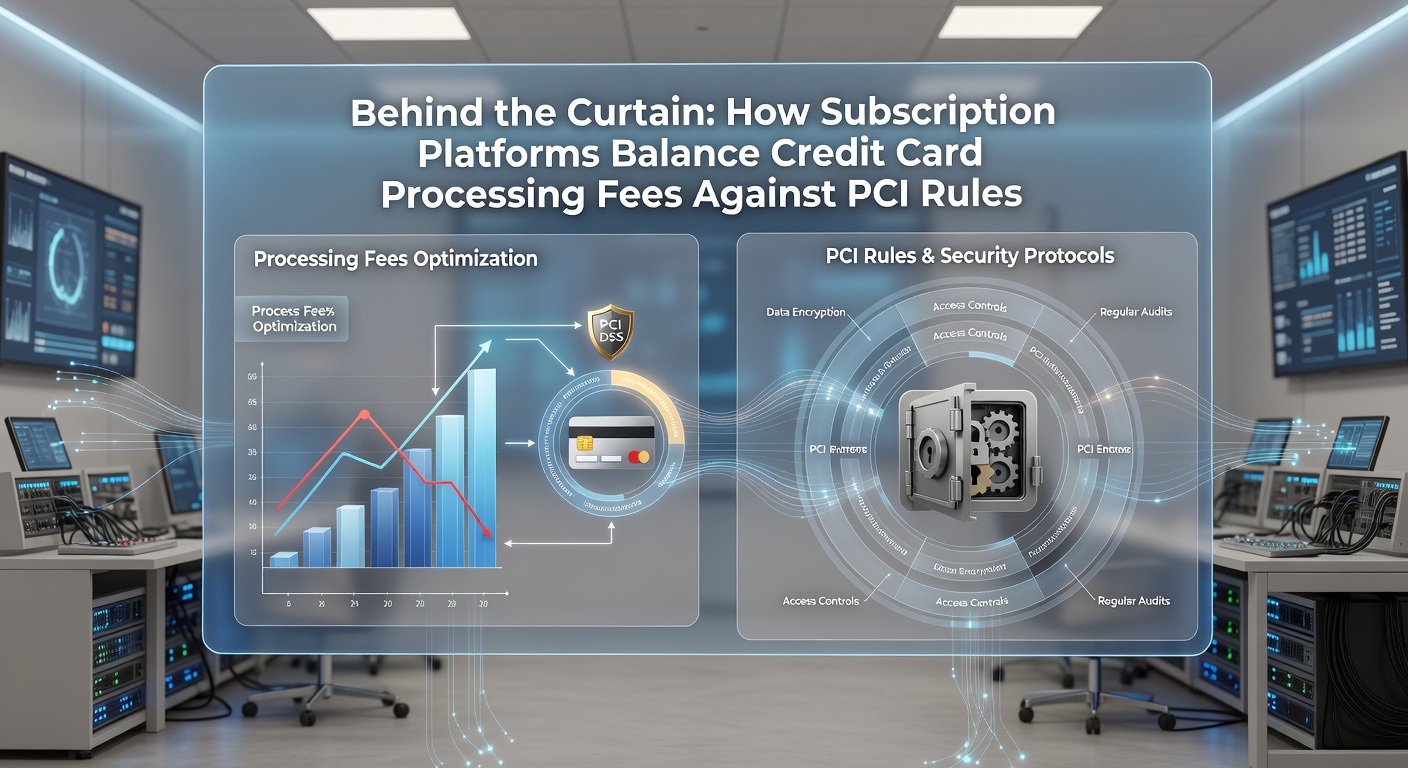
Tokenization combined with network token services from card brands further lowers PCI scope because platforms no longer handle primary account numbers directly, and this reduction in scope cuts audit expenses significantly for high-volume mobile subscription operations.
Regional Regulatory Influences on Fee and Compliance Balance
Payment regulations vary across jurisdictions, and platforms operating globally must adapt their fee models accordingly, for instance following guidelines from the European Central Bank on strong customer authentication that can influence how often mobile users re-enter card details during recurring charges.
According to information from the PCI Security Standards Council, updated validation requirements continue to emphasize secure mobile payment flows, and companies align their systems with these standards to prevent data breaches that could trigger additional fines beyond normal processing costs.
Observers point to Canadian payment frameworks as another example where consumer protection rules intersect with PCI obligations, requiring platforms to display clear fee breakdowns in subscription interfaces while ensuring all stored credentials meet encryption mandates during renewal cycles.
Technical Implementations That Support Both Goals
Developers build recurring billing engines that batch authorization requests during off-peak hours to minimize gateway fees, and they layer in real-time fraud detection that satisfies PCI monitoring rules without adding excessive per-transaction overhead.
Research from academic payment studies shows that platforms using machine learning for transaction routing achieve better fee optimization by selecting the lowest-cost processor for each mobile renewal while simultaneously logging activity for compliance reporting.
Conclusion
Subscription platforms navigate credit card processing fees and PCI rules through integrated technical solutions and strategic partnerships that keep recurring mobile transactions both secure and cost-effective, and ongoing updates to standards ensure these systems evolve alongside regulatory and network requirements.